
French Country Decor: A Guide to Rustic Elegance
French Country design, or Style Campagnard, is the art of beautifully imperfect living. It captures the feeling of a farmhouse in the French countryside—specifically Provence—blending rustic charm with sophisticated, old-world elegance. Unlike the formality of a Parisian apartment, this style is warm, inviting, and effortlessly relaxed.
Key Characteristics
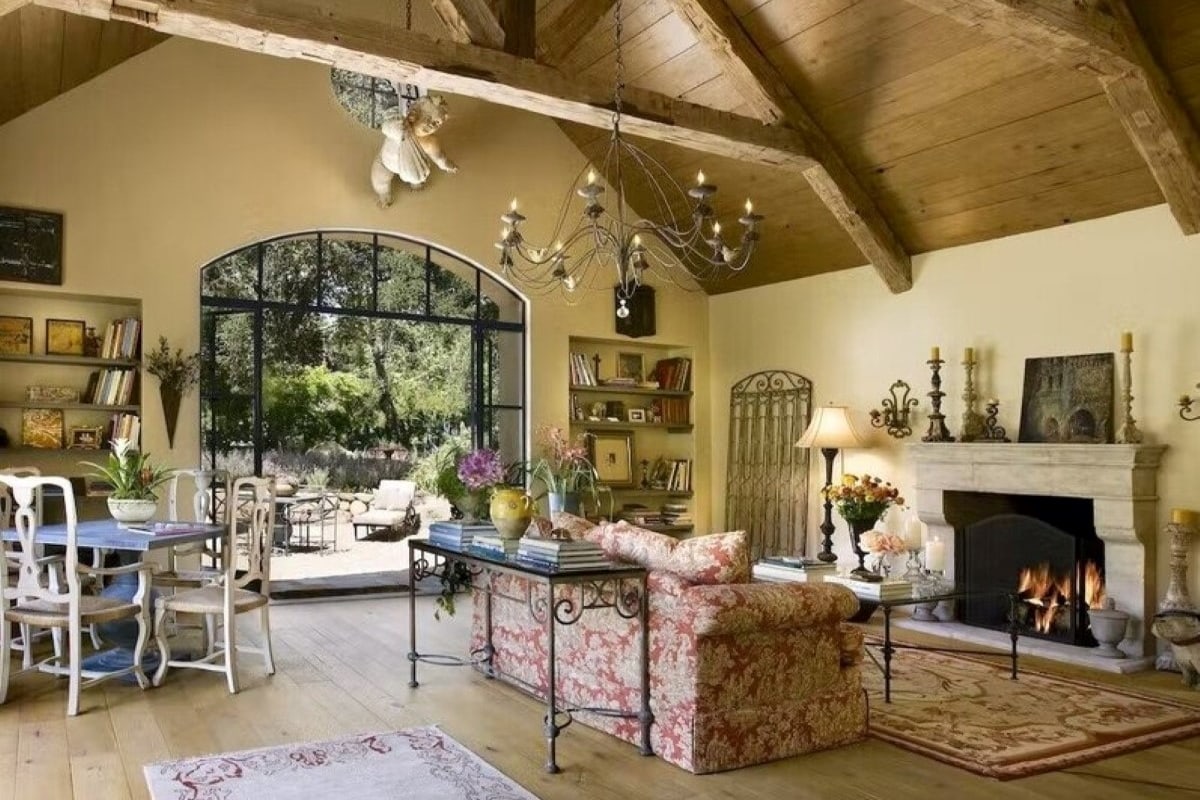
The core of French Country decor is a balance between rough and refined. Think weathered wood alongside delicate crystal, or linen drapes next to a stone fireplace. The overall feeling should be collected over time, not bought in a single weekend.
The Colour Palette
Forget bright, bold colours. French Country draws from the natural landscape:
· Neutrals: Warm whites, cream, beige, and taupe form the base.
· Accents: Soft, sun-baked hues like lavender purple, sunflower yellow, sage green, and terracotta.
· The Look: Walls are often finished with textured plaster or muted wallpaper featuring delicate floral or toile de Jouy (a traditional patterned fabric depicting pastoral scenes).
Materials & Textures
Texture is everything. Layer these elements:
· Stone & Brick: Exposed stone walls, brick floors, or a large stone fireplace surround.
· Wood: Distressed, timeworn beams on the ceiling, oak farmhouse tables, and painted armoires (often with visible brushstrokes for a hand-finished look).
· Tile: Terracotta or limestone floor tiles. Glazed ceramic tiles are also common, especially for kitchen backsplashes.
· Metals: Wrought iron is a star—seen in chandeliers, stair railings, pot racks, and candlesticks. It’s usually left black or in a dark, aged finish.
Furniture & Layout
Furniture is substantial, practical, and built to last:
· The Centerpiece: A large, sturdy farmhouse table in the kitchen or dining room, surrounded by mismatched upholstered or wooden chairs.
· Storage: The iconic armoire (a tall, carved cupboard) serves as a wardrobe or china cabinet. Buffets and dressers offer ample storage.
· Upholstery: Sofas and chairs are comfortable and inviting, often slipcovered in natural linen or cotton. They look slightly “undone” rather than crisp and tailored.
Fabrics & Patterns
Don’t be shy with fabric, but keep it natural:
· Linen, Cotton, and Wool: Used for drapes, upholstery, and bedding. They should feel soft and slightly wrinkled.
· Patterns: Small-scale florals, stripes, checks (like pied-de-poule), and the classic toile de Jouin pastoral scenes. Mixing patterns is encouraged but stick to the muted colour palette.
Lighting
Lighting should be soft and ambient, never harsh:
· Wrought Iron Chandeliers: Large, often distressed, hanging above the dining table.
· Wall Sconces: Placed on either side of a mirror or artwork.
· Table Lamps: With ceramic bases in soft colours or terracotta, topped with linen or burlap shades.
The “Borrowed from the Kitchen” Touch
A signature French Country element is displaying everyday kitchen items as decor. Hang copper pots on a rack, arrange pretty ceramic bowls on open shelves, and keep fresh herbs in small terracotta pots on the windowsill. It makes the space feel lived-in and functional.
How to Achieve the Look in Your Home
1. Start with Texture: Add a linen throw, a jute rug, or a piece of aged wood.
2. Use a Soft Palette: Paint walls a warm cream or sage green.
3. Add Wrought Iron: Find a vintage chandelier or simple candlesticks.
4. Don’t Match: Mix old with new, rough with smooth, patterned with plain.
5. Display Useful Things: Put pretty dishes on a rack or fresh flowers in a simple pitcher.
The Final Feeling
French Country decor isn’t about following strict rules. It’s about creating a space that feels soulful, welcoming, and slightly rustic. It invites you to sit down with a cup of coffee, put your feet up, and stay a while—just like a real home in the French countryside
Log in to your account to like.